


French consumers embrace digitalisation in restaurants, according to a Lightspeed study
 InfoWeb Marketplace · Editorial team
Published on 20 December 2025 · 4 min read
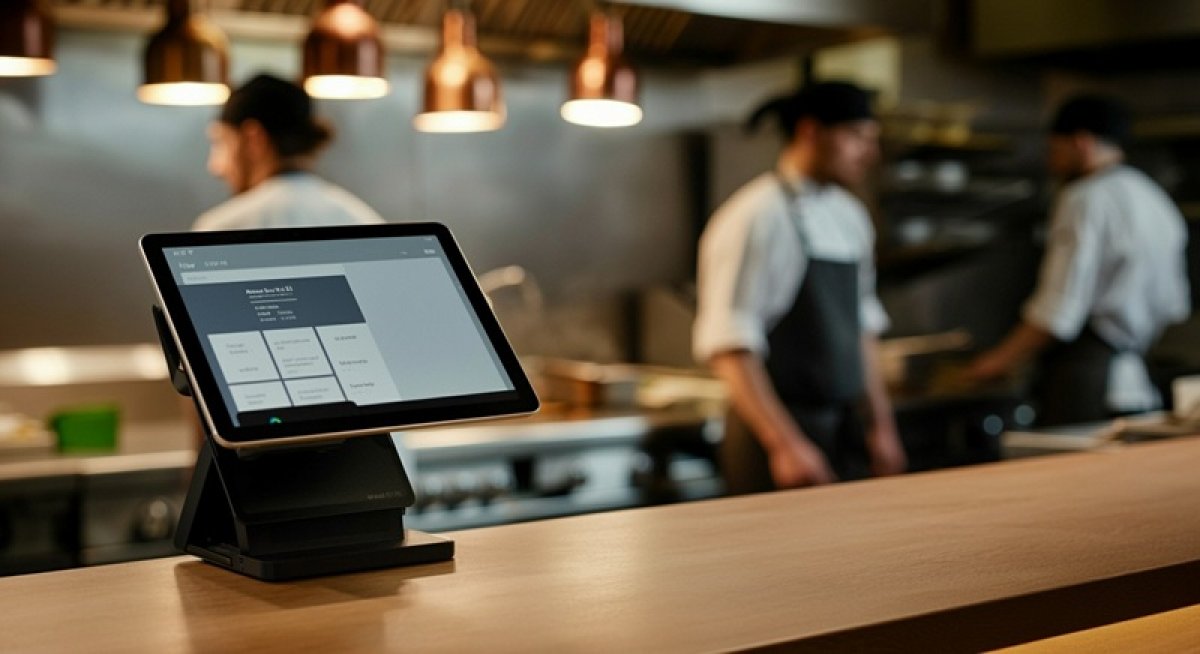
French consumers embrace the digitalisation of the restaurant experience, according to a Lightspeed study
A new Lightspeed study reveals that French diners above all want a smooth, personalised restaurant experience, placing technology at the heart of their trust in establishments.
Lightspeed Commerce Inc. (NYSE: LSPD) (TSX: LSPD), the unified commerce platform that helps restaurateurs simplify their operations and deliver exceptional customer experiences, today unveils the results of its latest national barometer on the habits and expectations of French restaurant consumers, conducted among more than 1 000 respondents.
The study reveals a clear shift: while the pleasure of dining out remains intact, customers' tolerance for slow or disorganised service or for booking difficulties is low. Time, reliability and simplicity are now the three pillars of a successful experience.
Customers seeking speed: slow service threatens their loyalty
More than one in five customers say they have been frustrated by service they considered too slow (21%) or by overly long waits between courses (22%). This kind of experience directly affects their loyalty: nearly one in two consumers say that slow service (44%) could discourage them from returning.
According to Laura Stagno, Senior Director, Business Transformation at Lightspeed, ?waiting time is becoming a key indicator of satisfaction. In a context where consumers are used to instant journeys in other sectors – delivery, e-commerce, mobility – they expect the same fluidity in restaurants. Restaurateurs who adopt digital tools for taking orders and managing service gain a clear competitive advantage.?
Digital, a guarantee of trust and efficiency
The study shows that more than one in three customers (36%) feel more confident when a server takes the order on a digital device (tablet or terminal). This practice is now seen as a sign of accuracy and professionalism, rather than a dehumanisation of service.
Similarly, features such as viewing the menu via QR code or being able to pay the bill independently are favoured by about one in three respondents. Consumers can see in them better control of their time and fewer errors, two aspects they consider essential.
Online booking: an expectation that has become the norm
Another strong finding: online booking is becoming an increasingly common reflex. A quarter of French people (27%) now prefer restaurants offering a digital booking system, with the restaurant's website being the most popular channel (15%).
However, only 58% of respondents said they had not encountered difficulties when booking (e.g. inaccessible online booking system, slow confirmations or registration errors) over the past 12 months. These irritants, often minor, nevertheless have a direct impact on overall satisfaction and the likelihood of a return visit.
?No-shows? (unhonoured bookings) also remain a sensitive issue: some consumers admit to having missed a booking without cancelling it, most often due to a lack of information about the cancellation process (34%) and last-minute changes (26%).
Asked ?What solutions would help you cancel a booking??, about a quarter of respondents point out that automated reminders or the ability to cancel in one click via a link or an app could reduce this phenomenon. In addition, nearly one in two customers (49%) consider acceptable the principle of a deposit deductible from the bill for certain bookings, particularly during peak hours of service.
An opportunity for French restaurateurs
These results reflect a profound shift: digitalising the customer journey in restaurants does not replace the human element, it strengthens it. By automating the most time-consuming steps – order taking, booking management, payment – restaurateurs free up time to focus on what makes the difference: the quality of contact and of the experience.
?Restaurateurs are increasingly aware that technology can help them meet these new expectations without losing their identity,? adds Laura Stagno. Lightspeed is committed to supporting them in this transition, by offering intuitive tools designed to simplify daily life and improve every step of the customer journey.
By simplifying the booking process, speeding up order taking and making communication between the dining room and the kitchen more reliable, digital tools enable establishments to reduce errors, improve table turnover and increase customer satisfaction. For consumers, this translates into a smoother, more transparent and more enjoyable experience, without sacrificing the authenticity of the service.
Methodology
The data were collected through a quantitative online survey conducted by Perspectus Global among French consumers in order to analyse their dining behaviours, digital habits and perceptions of technology tools in the hospitality sector.
• Sample: the study covered 1 057 respondents surveyed nationwide in France between 9 and 31 October 2025. Participants were spread across regions and major cities to ensure national representativeness. The sample was balanced by gender, age and household composition.
• Data processing: all responses were weighted to reflect the demographic structure of the French adult population that dines in restaurants. Analyses were carried out using standardised procedures to ensure accuracy and comparability between demographic groups.