


Flame-retardant textiles for hotels and the food service industry
 InfoWeb Marketplace · Editorial team
Published on 1 August 2022 · 1 min read
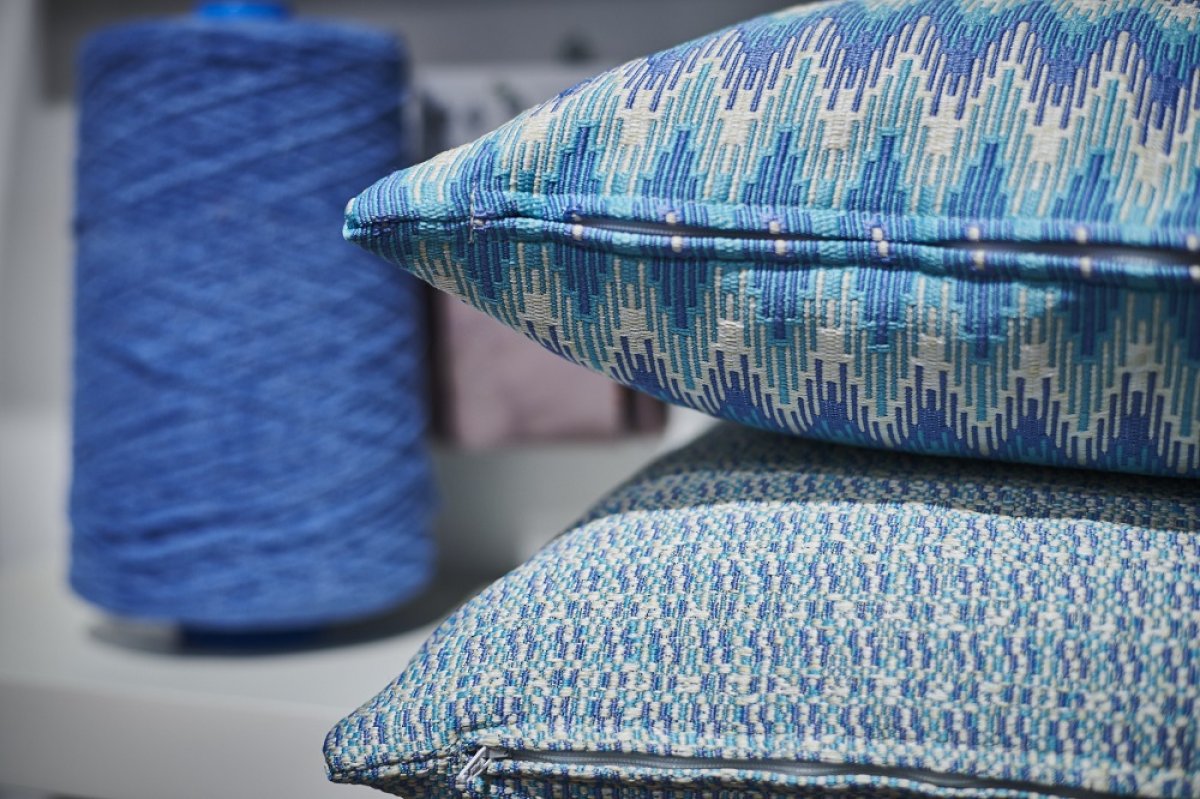
The use of permanently flame-retardant textiles is crucial, particularly in sectors with high safety requirements, such as hotels and restaurants. They make it possible to safely equip hotel rooms and restaurants with all textile elements. Flame-resistant textiles contribute significantly to preventing the spread of a fire. To do so, the textiles must comply with the essential fire protection standards and must not contain any chemical treatment.
In addition, the fabrics are also suitable for outdoor use. Outdoor spaces, in both the private and public spheres, are designed in a complex and refined way. So that comfort and design do not have to be given up outdoors either, a pleasant feel and a range of colors are particularly desired in textile materials. There are high requirements for textiles, especially in the hotel and food service segments, where fabrics are used indoors or outdoors as needed. Indoors, fire protection regulations must be observed; outdoors, high performance in terms of light fastness and tear resistance is required.
In order to produce high-performance, highly designed textiles for this sector, Trevira offers a range of 30 solution-dyed filaments with a UV stabilizer. Solution-dyed yarns, that is, yarns in which the dye is introduced into the spinning bath through a masterbatch, are characterized by very high light fastness. In addition, a UV stabilizer is added to the spinning bath, with which the resulting yarns and fabrics achieve increased resistance. In addition to color intensity and resistance, solution-dyed yarns offer another advantage. They are more sustainable than yarn-dyed products, as the environment is not affected by the additional dyeing process step.
The selection of permanently flame-retardant collections available on the market is characterized by diversity and high quality, so that there are no limits to designers' creative possibilities – without compromising on comfort, design or sustainability.