


Editorial team · Linen, Textile, Uniforms
 InfoWeb Marketplace · Editorial team
Published on 6 March 2020 · 2 min read
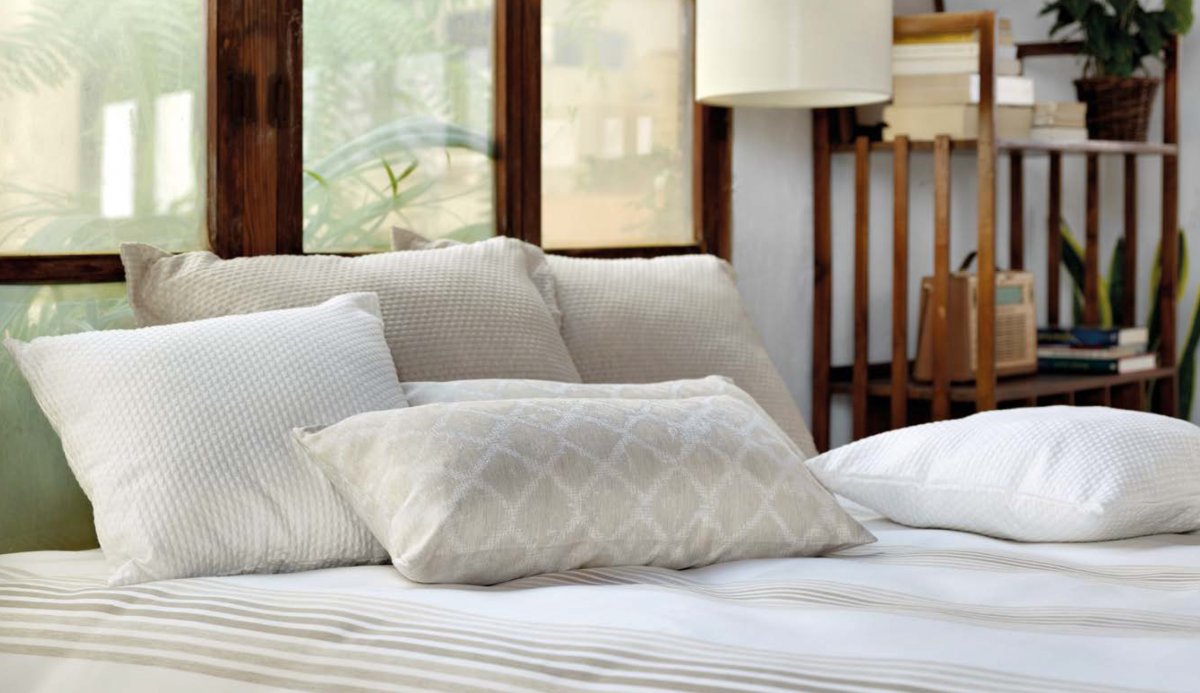
Until now the market has had a few sustainable textiles, but they were not specifically designed for the hospitality sector; with this collection, the textiles offer the same technical conditions required for hospitality, as it includes, for example, a range of sheer curtains and fire-retardant blackout curtains. ?It is a collection of sustainable decorative textiles that closes the consumption loop, without losing an ounce of design or functionality.?
This new collection, named Posidonia, refers to the qualities of the Mediterranean seagrass from which it takes its name and which, besides its exceptional properties for preserving its natural habitat, represents the environmental benefits of these new textiles. Like posidonia, which is a fundamental element in preserving the seabed, Carmela Martí wants this collection to be a pillar of the transition towards more sustainable interior textile decoration.
The textiles are made with two types of recycled fibres in different proportions. First, polyester from plastic bottles and packaging made from PET (polyethylene terephthalate), which in many cases comes from waste found in seas and oceans. The other fibre is recycled cotton made from linen of this material, cut into small pieces, from which a new fibre is extracted. The main advantage of this type of textile is that it addresses one of our planet's main problems, plastic pollution, and in addition, its manufacturing process helps reduce the environmental impact. Thus, since the reused cotton is made from linen of the same textile and sorted by colour, no further dyeing is needed, which means considerable water savings and a reduction in chemical discharges from dyes.
These textiles have also obtained the Global Recycle Standard certification, which guarantees the origin and the sustainable process throughout the production chain, in line with the Sustainable Development Goals (SDGs) set by the European Union's 2030 Agenda.
Carmela Martí launches ?Posidonia?, a collection of recycled textiles
InfoWeb Marketplace · Editorial teamPublished on 6 March 2020 · 2 min read
Carmela Martí Decoración, a company expert in interior textile design and decoration for the hospitality sector, will launch at Hotel Innovation Planet (HIP) the first full collection of textiles for hospitality, Posidonia, made from recycled fibres from plastic packaging recovered from seas and oceans, and from fibres of likewise recycled cotton.
?This collection covers all types of decorative textiles found in a hotel, such as sheer curtains and blackout curtains, bedspreads, cushions or bed runners, and it meets the same strict technical requirements demanded by the sector?, says Carmela Martí.
Advertisement
Sheer curtains, fire-retardant blackout curtains: a complete range of recycled textiles dedicated to hospitality
Until now the market has had a few sustainable textiles, but they were not specifically designed for the hospitality sector; with this collection, the textiles offer the same technical conditions required for hospitality, as it includes, for example, a range of sheer curtains and fire-retardant blackout curtains. ?It is a collection of sustainable decorative textiles that closes the consumption loop, without losing an ounce of design or functionality.?
This new collection, named Posidonia, refers to the qualities of the Mediterranean seagrass from which it takes its name and which, besides its exceptional properties for preserving its natural habitat, represents the environmental benefits of these new textiles. Like posidonia, which is a fundamental element in preserving the seabed, Carmela Martí wants this collection to be a pillar of the transition towards more sustainable interior textile decoration.
The textiles are made with two types of recycled fibres in different proportions. First, polyester from plastic bottles and packaging made from PET (polyethylene terephthalate), which in many cases comes from waste found in seas and oceans. The other fibre is recycled cotton made from linen of this material, cut into small pieces, from which a new fibre is extracted. The main advantage of this type of textile is that it addresses one of our planet's main problems, plastic pollution, and in addition, its manufacturing process helps reduce the environmental impact. Thus, since the reused cotton is made from linen of the same textile and sorted by colour, no further dyeing is needed, which means considerable water savings and a reduction in chemical discharges from dyes.
These textiles have also obtained the Global Recycle Standard certification, which guarantees the origin and the sustainable process throughout the production chain, in line with the Sustainable Development Goals (SDGs) set by the European Union's 2030 Agenda.